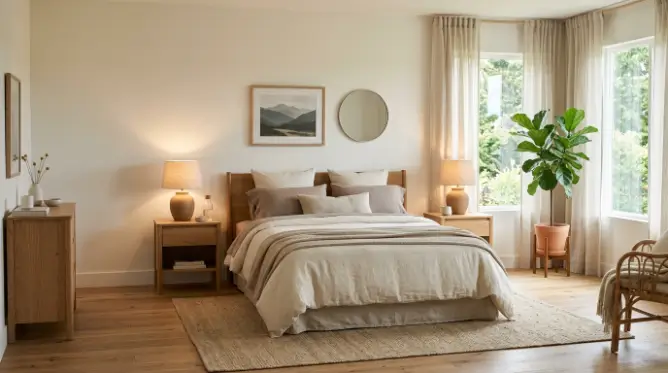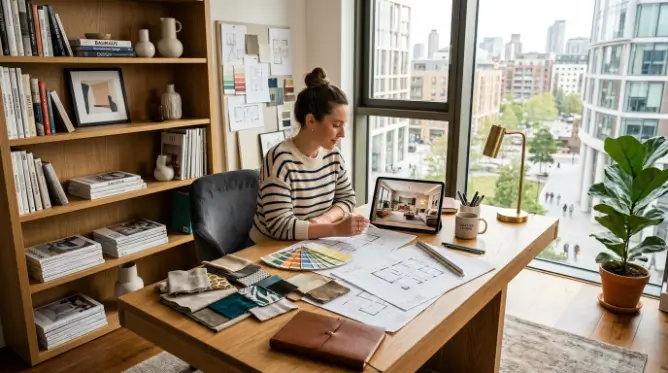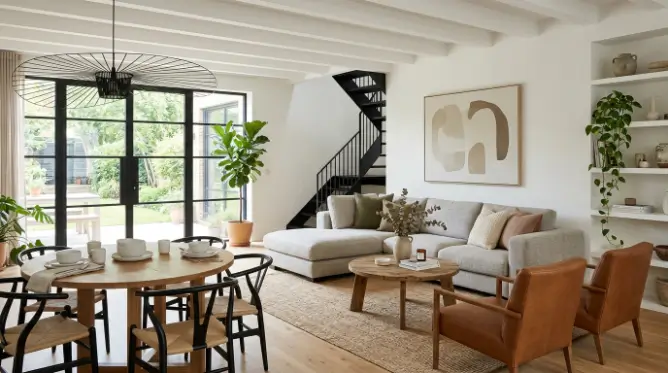
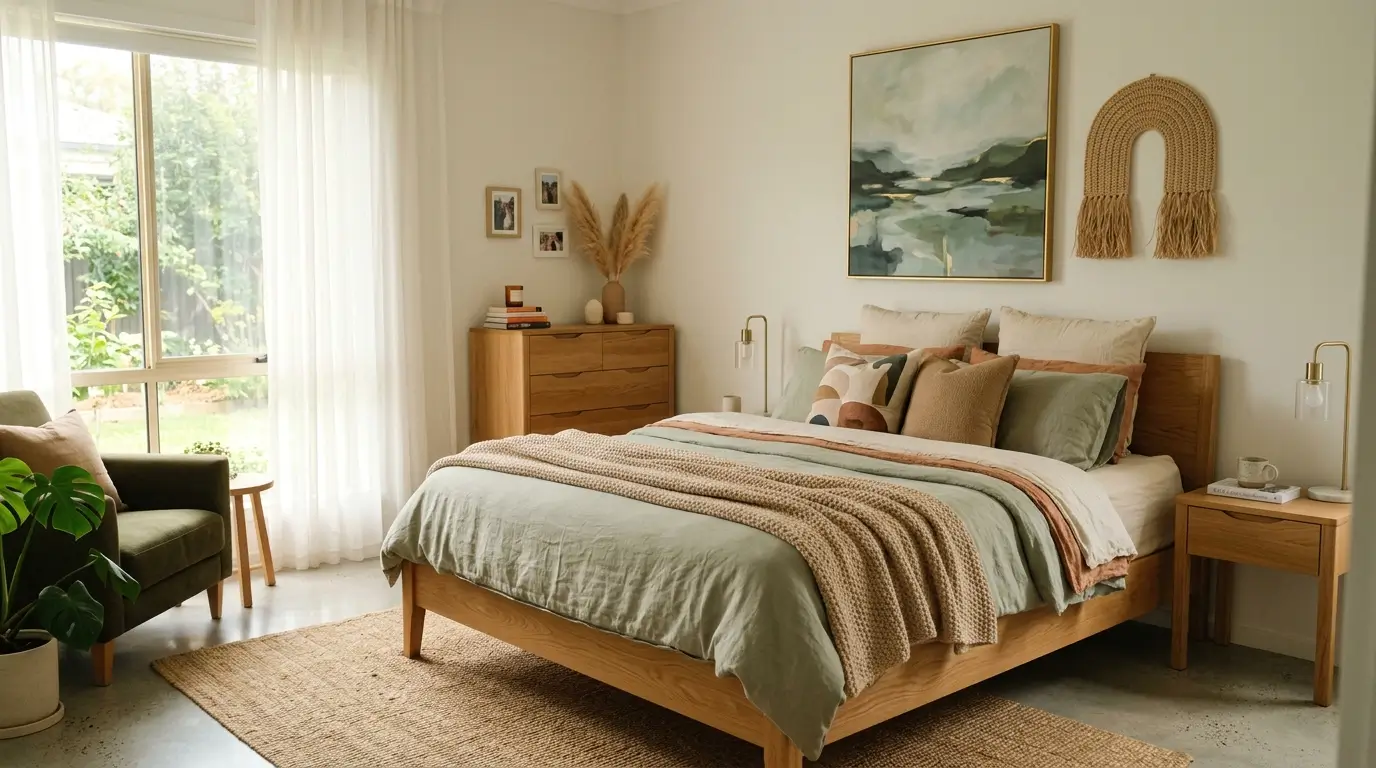
Picking the right look for your bedroom can feel harder than it should be. There are many styles, color options, and furniture choices to weigh before you even get to paint or bedding.
Home Edit Guide put together this collection of bedroom ideas to help you plan a room that works for how you live, not just how it looks in a photo. You will find modern primary bedroom ideas, small bedroom solutions, color guidance, furniture advice, and answers to common bedroom design questions. Save whatever catches your eye as bedroom inspo before you start shopping, then use the sections below to narrow it down to what actually fits your room, your budget, and your style.
About this guide: this guide was researched and written for Home Edit Guide using general interior-design principles, practical room-planning considerations, and current bedroom design topics. The suggestions focus on furniture placement, color, lighting, storage, comfort, and everyday usability rather than professional design services.
Modern Primary Bedroom Ideas
A modern primary bedroom usually relies on clean lines, a calm color palette, and furniture that earns its place in the room. These ideas focus on that balance between comfort and simplicity.
- Choose a low-profile platform bed. It keeps the room feeling open and works well with lower ceilings.
- Limit the palette to a main color and one or two supporting tones. A tight palette makes a primary bedroom feel intentional rather than busy.
- Add a floating nightstand on each side of the bed. Wall-mounted nightstands free up floor space and look tidy.
- Use a large abstract piece of art above the headboard. One statement piece works better than several small frames.
- Install a dimmable overhead light. Modern bedrooms benefit from lighting that adjusts from bright to soft.
- Keep the dresser flat-fronted with hidden hardware. This detail alone can modernize an older bedroom set.
- Add a bench at the foot of the bed. It gives the room a finished, hotel-like feel and doubles as extra seating.
- Layer in one textured element, like a woven rug or linen curtains. Texture keeps a minimal room from feeling cold.
Small Bedroom Ideas
Small bedrooms need furniture and layouts that pull double duty. These ideas focus on making a compact room feel calm instead of cramped.
- Use a bed frame with built-in drawers. It replaces a dresser without taking up more floor space.
- Mount curtains close to the ceiling. This trick makes the walls look taller than they are.
- Choose a mirror that reflects the window. It bounces natural light across the room and helps it feel larger.
- Skip the bulky headboard. A slim upholstered panel or wall-mounted headboard saves several inches of depth.
- Use one large rug instead of two small ones. A single rug makes a small floor plan look more unified.
- Add wall sconces instead of table lamps. This frees up nightstand space in a tight room.
- Paint the ceiling the same color as the walls. It removes a visual break and can make the room feel taller.
- Choose a slim, tall dresser for bedroom storage instead of a wide one. Vertical storage works better when floor space is limited.
Bedroom Furniture and Layout Ideas
The right bedroom furniture and a sensible layout make the biggest difference in how a room actually functions day to day.
- Leave comfortable walking space around the bed, with more clearance where the room allows. The exact amount depends on the layout, the furniture, and how the space is used, so treat it as a guideline rather than a fixed rule.
- Center the bed on the longest wall when possible. It usually creates the most balanced layout and furniture placement.
- Match nightstand height to the top of the mattress. A nightstand that sits too low or too high throws off the whole room.
- Choose a dresser that fits opposite the bed if the room allows it. This placement makes getting dressed easier.
- Allow enough clearance for drawers to open fully and for someone to stand comfortably in front of the dresser. This matters more in smaller rooms where space is tight.
- Add a chair or small bench near a window if space allows. It creates a second use for the room beyond sleeping.
- Use a bedroom furniture set for a cohesive look, but mix in one unique piece. A single vintage nightstand or dresser adds character without breaking the set.
- Measure your doorway before buying large furniture. This avoids the common problem of oversized pieces that will not fit through the frame.
- Keep closet doors and drawers able to open fully without hitting other furniture. This is one of the most overlooked parts of bedroom furniture placement.
- Choose furniture with a mix of open and closed storage. Open shelving displays a few nice items while closed storage hides daily clutter.
Bedroom Storage Ideas
Good storage keeps a bedroom feeling calm. These ideas work for almost any room size.
- Use under-bed storage bins for out-of-season clothing. This is especially useful in small bedrooms without a large closet.
- Add a valet stand or hook near the closet. It gives clothes a spot to land instead of piling on a chair.
- Choose a dresser for bedroom storage with at least one deep drawer. Deep drawers hold bulky items like sweaters and extra bedding.
- Install a shelf above the closet door. This often-wasted space works well for bins and rarely used items.
- Add a small bookshelf if you read before bed. A narrow, vertical bookshelf can keep books organized without taking over the nightstand or using too much floor space.
- Use drawer dividers inside dressers. This keeps folded clothing organized instead of shifting into a pile.
- Choose a bed with a storage headboard for small apartments. These headboards often include shelves or hidden compartments.
- Keep a small basket for laundry inside the closet rather than the open floor. It is a simple habit that keeps the room looking finished.
Beds, Headboards and Bedding Ideas
The bed is the focal point of almost every bedroom, so it is worth getting these choices right.
- Choose an upholstered headboard for comfort while reading or watching TV in bed. Fabric headboards are softer against the back than wood or metal.
- Choose a headboard height that feels proportional to the bed, wall, and ceiling. A taller headboard can work well in rooms with higher ceilings or a wide wall, but proportion matters more than any single measurement.
- Layer bedding in at least three pieces: a fitted sheet, a duvet or quilt, and a top layer like a throw. Layering different bedding pieces adds depth and gives the bed a more finished look.
- Choose a duvet cover in a neutral tone and add color through pillows. This makes it easier to update the room’s look without buying new bedding every season.
- Add a mix of pillow sizes. Two standard pillows, two decorative pillows, and one lumbar pillow is a common and balanced combination.
- Choose linen or cotton percale sheets for warmer climates. Their lightweight feel can be comfortable when you want bedding that feels breathable and less bulky.
- Add a folded throw at the foot of the bed. It is a small styling detail that makes a bed look finished.
- Match metal finishes between the bed frame and lighting. Repeating one or two metal finishes can make the room feel more cohesive, while mixed metals can work well when they are used intentionally.
- Choose a canopy or four-poster bed for a bedroom with high ceilings. It fills vertical space that would otherwise feel empty.
- Choose breathable bedding for the season. Lightweight cotton or linen tends to feel more comfortable in warmer months, while layered blankets make it easier to adjust warmth during colder weather.
Bedroom Lighting Ideas
Lighting affects how a bedroom feels more than almost any other design choice.
- Plan for three layers of light: overhead, task, and ambient. Using layered lighting helps you adjust the room for different activities and times of day.
- Add dimmer switches wherever possible. Bedrooms need bright light for cleaning and soft light for winding down.
- Choose bedside lighting with a warm color temperature, around 2700K. A warm light around 2700K can create a softer evening atmosphere than a cooler white light.
- Use wall-mounted swing-arm lamps for reading. They save nightstand space and can be adjusted to the right angle.
- Add a plug-in sconce if rewiring is not an option. It gives the look of a hardwired fixture without the extra work.
- Place a lamp with a fabric shade near a reading chair. Fabric shades diffuse light more softly than glass or metal.
Bedroom Colors and Paint Ideas
Color sets the tone for the entire room. These ideas cover some of the best bedroom paint colors and how to use them.
- Choose warm neutrals like greige, sand, or soft taupe for a relaxing primary bedroom. These tones work well with different bedding and furniture finishes and make a dependable starting point for master bedroom decorating ideas.
- Test paint samples on the wall for at least 24 hours. Light changes throughout the day, and color reads differently at night versus morning.
- Use deeper colors in bedrooms with strong natural light. Rooms that get plenty of daylight can handle richer bedroom colors without feeling dark.
- Stick to lighter colors in rooms with limited windows. This keeps small or dim bedrooms from feeling closed in.
- Try a tonal bedroom color scheme, where the walls, bedding, and curtains sit in a similar color family. This is a current approach worth considering if you prefer a calm, coordinated look rather than high contrast.
- Consider deep green or navy for a dark, cozy bedroom. These colors work especially well with warm wood tones and brass accents.
- Use soft blue or sage when you want a calm, muted backdrop. Both can create a softer look without adding strong visual contrast.
- Add color through textiles first if you are not ready to commit to paint. Pillows, throws, and rugs are an easier way to test colors for bedrooms before painting the walls.
- Consider matching the trim to the ceiling color instead of using stark white. This can soften contrast and create a more cohesive look when you want a quieter color scheme.
Bedroom Flooring Ideas
Flooring is easy to overlook, but it affects both comfort and the overall feel of the room.
- Add a large area rug over hardwood or laminate flooring. It softens the floor underfoot and helps define the seating or dressing area within the room.
- Choose warmer flooring, like carpet or a thick rug, in bedrooms that run cold. A rug or carpet can make the room feel warmer underfoot, especially during colder months.
Bedroom Ceiling Ideas
The ceiling is one of the largest surfaces in a bedroom, and it is often left unfinished by default.
- Paint the ceiling a soft, muted color instead of the usual flat white. A slightly tinted ceiling can make a room feel more finished without drawing attention away from the walls.
- Add a statement pendant light in a primary bedroom with higher ceilings. It draws the eye upward and can replace a standard flush-mount fixture as a focal point.
Bedroom Curtain Ideas
Curtains do more than block light. They also shape how a room feels day to night.
- Hang curtains that reach the floor rather than stopping short. Floor-length curtains generally look more finished than ones that end above the sill.
- Layer sheer curtains behind blackout panels. This combination gives you soft daytime light while allowing you to block more light at night.
Style-Specific Bedroom Ideas
Once the basics are in place, style is where a bedroom starts to feel personal. These ideas cover several popular interior styles and can also be mixed to create a look that feels more individual.
Scandinavian and Japandi Bedrooms
- Choose light wood furniture with simple, straight lines. This is a common starting point for Scandinavian-inspired bedroom designs.
- Add one natural material accent, like a jute rug or rattan lamp. It brings warmth to a pale color palette.
- Keep decor minimal and intentional. Japandi style blends Japanese minimalism with Scandinavian comfort, so every object should have a purpose.
- Use linen bedding in soft, muted tones. It fits both styles and adds a relaxed texture to the bed.
Farmhouse and Rustic Bedrooms
- Add a wood-slat headboard for a farmhouse look. Reclaimed or distressed wood adds texture and reinforces the rustic character of the room.
- Use woven baskets for storage instead of plastic bins. They fit the rustic aesthetic while still being functional.
- Choose a ceiling fan with a simple finish that complements the room’s wood tones and other hardware. It is a small detail that ties the fixtures together without requiring a full renovation.
- Layer a quilt over solid bedding. Quilts are a classic farmhouse bedding choice and add pattern without overwhelming the room.
Mid-Century Inspired Bedrooms
- Choose furniture with tapered wood legs. This detail is strongly associated with mid-century-inspired furniture and works well on beds, dressers, and nightstands.
- Add a sunburst mirror or geometric wall art. These shapes are signature elements of the mid-century look.
- Use warm wood tones like walnut or teak for the bed frame and dresser. These tones anchor the room and pair well with mustard, olive, or burnt orange accents.
Minimalist and Contemporary Bedrooms
- Limit decor to a few carefully chosen pieces. For more direction on this approach, this guide to minimal bedroom decor breaks down how to edit a room without making it feel empty.
- Choose one focal point, such as the bed or a single art piece. Contemporary rooms tend to work best when the eye is not pulled in several directions at once.
- Hide cords and clutter wherever possible. Cord clips and cable boxes go a long way in keeping a minimalist bedroom looking clean.
Guest and Teen Bedroom Ideas
Guest rooms and teen bedrooms have different needs than a primary bedroom, so a few adjustments make a real difference.
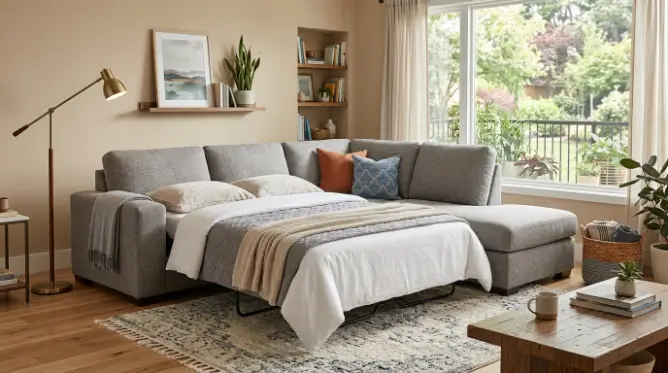
- Use a sectional sofa bed in a guest room that doubles as a living space. If you are deciding between a sofa bed and other sleeper options, this guide onwhat a sectional sofa bed is explains how they work and when they make sense.
- Keep guest room decor neutral and stock the basics. A spare blanket, extra pillows, and a place to set a suitcase go a long way for guests who are not familiar with the room.
- Let a teen bedroom include one bold color or accent wall. It gives personality without requiring a full repaint later.
- Choose furniture that can adapt as a teen gets older. A simple desk and bed frame will outlast trend-driven pieces.
- Add a full-length mirror in a teen bedroom. It is inexpensive and genuinely useful daily.
Accessories, Art and Finishing Touches
The right accessories pull a bedroom together. These ideas cover art, mirrors, plants, and other finishing details.
- Try grouping artwork in three or five pieces if you like an informal, balanced arrangement. The spacing and scale between pieces matter more than the exact number you choose.
- Add a plant that suits the room’s light level, such as a snake plant or pothos in a lower-light space. Choose based on the amount of natural light available rather than adding a plant simply for decoration.
- Position a mirror where it can reflect natural light or make a smaller room feel more open. Consider what the mirror will reflect from different spots in the room before settling on its final position.
- Use wallpaper on one wall instead of the whole room. An accent wall of wallpaper adds pattern without overwhelming a small space.
- Try wall paneling behind the headboard. Board-and-batten or shiplap paneling adds texture and works with almost any style.
- Choose a rug large enough to extend past the sides of the bed. A rug that is too small will look like an afterthought.
- Hang artwork at a comfortable viewing height for the room. If the main viewing position is the bed, consider how the artwork looks when you are seated or reclining rather than relying on a fixed height rule.
- Use woven or ceramic trays to corral small items on the dresser. It keeps everyday clutter from spreading across the surface.
Bedroom Technology and Trends
A couple of practical additions can improve comfort without turning a bedroom into a showroom.
- Add a humidifier for bedroom comfort if your indoor air feels unusually dry, especially during winter months. Follow the manufacturer’s cleaning instructions and avoid excessive humidity.
- Keep visible technology to a minimum. Chargers, hubs, and speakers can sit in a drawer or behind furniture so the room still feels restful.
How to Decorate a Bedroom
Decorating a bedroom is easier when it is broken into steps rather than tackled all at once.
Start with the bed, since it is the largest piece of furniture and usually the room’s focal point. From there, choose a color palette based on the amount of natural light the room gets. Add furniture based on function first, storage second, and style last. Once the big pieces are placed, layer in lighting, then textiles like curtains and rugs, and finish with accessories such as art, mirrors, and plants.
This order tends to work better than choosing paint first, since bedding and furniture finishes often narrow down the color choices naturally.
How to Choose Bedroom Accessories
Choosing bedroom accessories comes down to four factors: function, scale, color, and personal style.
Function comes first. A lamp needs to actually light the space where you read. A tray needs to fit the surface it sits on. Scale matters next. A small piece of art on a large wall will look lost, just as an oversized mirror can overwhelm a small room. Color should either match the existing palette or act as a deliberate accent, not an accidental clash. Finally, personal style is what makes a room feel like yours rather than a showroom display. A few meaningful objects usually look better than many generic ones.
What Is the Best Furniture for a Bedroom?
The best furniture for a bedroom depends on the size of the room and how it is used, but most bedrooms need a few essential pieces and a few optional ones.
Essential furniture typically includes a bed frame, a mattress, and at least one nightstand. A dresser is essential in most homes unless the closet offers enough built-in storage. Optional furniture includes a bench, a reading chair, a vanity, or a second dresser. It is generally better to have fewer well-chosen pieces of bedroom furniture than to fill the room simply because there is floor space available.
How to Arrange Bedroom Furniture
Arranging bedroom furniture starts with the bed. In most rooms, the bed works best centered on the wall across from the door, which creates a natural, balanced layout.
Leave comfortable walking space on each side of the bed, adding more where the room allows. Nightstands should sit close enough to reach from bed, usually within a few inches on each side. Dressers work best on a wall with enough open floor space for the drawers to fully extend and for someone to stand comfortably in front of them. If the room includes a reading chair or bench, place it where it does not block the main walking path between the door, closet, and bed.
What Bedroom Colors Are Best for Relaxation?
Soft, muted colors tend to feel the most relaxing in a bedroom, though the right shade depends on the amount of natural light in the room.
Warm neutrals, soft blues, and muted greens are popular choices among the best bedroom colors for a calm feel. Rooms with strong natural light can often handle deeper tones without feeling closed in, while rooms with less daylight generally look better in lighter shades. Testing paint on the actual wall, at different times of day, is still one of the most reliable ways to choose a color scheme that will feel right long term.
What Bedroom Design Trends Are Worth Trying?
A few current bedroom furniture trends are worth considering, though none of them are necessary for a bedroom to look finished.
Tonal color schemes, where walls and textiles sit in a similar color family, are a useful approach when you want a calm, coordinated look. Curved furniture edges are showing up more often in dressers and nightstands as a softer alternative to sharp corners. Layered, textured bedding is also part of the latest bedroom design trends, giving you an alternative to perfectly matched bedding sets. These trends are worth trying if they fit your existing style, but a bedroom does not need to follow every trend to feel well designed.
A Few Related Questions
A handful of unrelated search terms sometimes come up alongside bedroom design searches. Since they show up often, here are quick, honest answers.
What is edging in a bedroom? “Edging” can refer to different finishing details depending on the context, including the border or trim around flooring, walls, furniture, or textiles. The exact meaning depends on where the term is being used, so it is worth checking the specific context it appeared in.
What is bedroom pop? Bedroom pop is a music genre generally associated with intimate, independently produced music, often recorded in home settings rather than professional studios. It is unrelated to bedroom interior design.
What are bedroom eyes? This is an unrelated expression describing a certain look on someone’s face, not a design term. It has no connection to bedroom decorating.
What is a bedroom community? This is an unrelated urban planning term for a residential town where most people commute elsewhere for work. It does not relate to interior design or bedroom decorating.
For anyone interested in room energy and placement beyond basic furniture arrangement, this guide tofeng shui in the bedroom covers traditional placement principles in more depth. And if the goal is a softer, more relaxed feel rather than a specific style, these cozy bedroom ideas focus on texture, layering, and warmth.
Final Thoughts
With 94 ideas covering nearly every bedroom style, color, and layout, the hardest part is usually narrowing things down. Start with what your room actually allows in terms of size and light, then choose furniture, colors, and accessories that fit your daily habits and comfort, not just a trend. A bedroom works best when it reflects how you actually live and rest.c