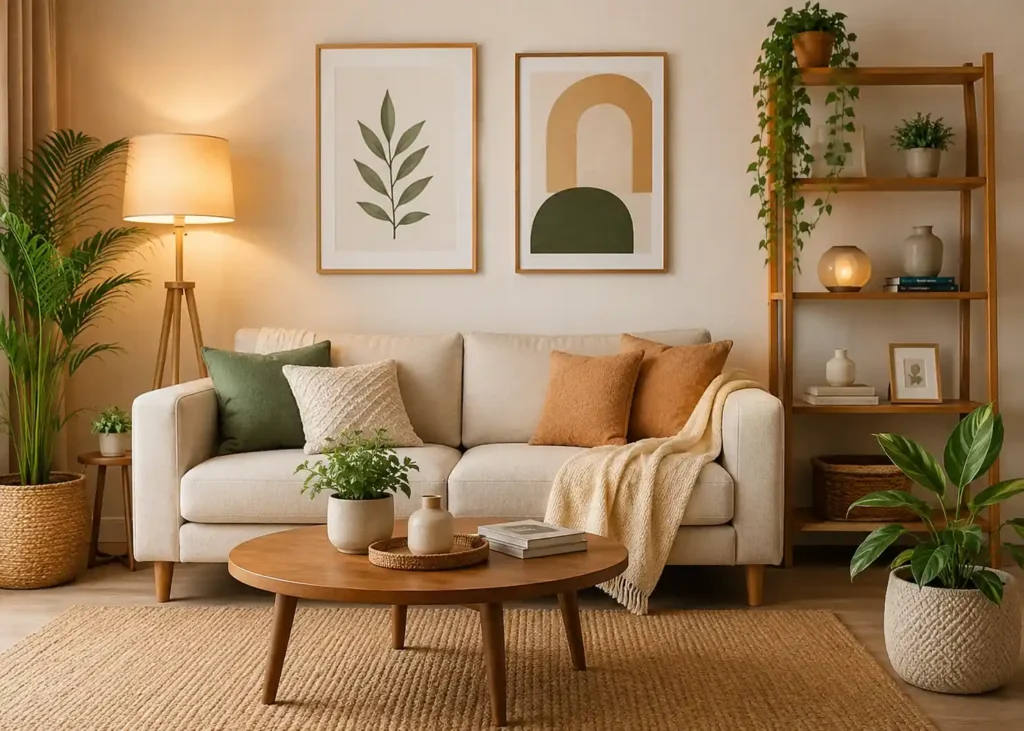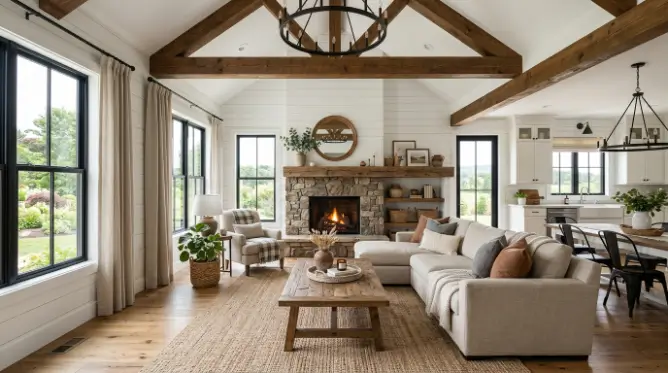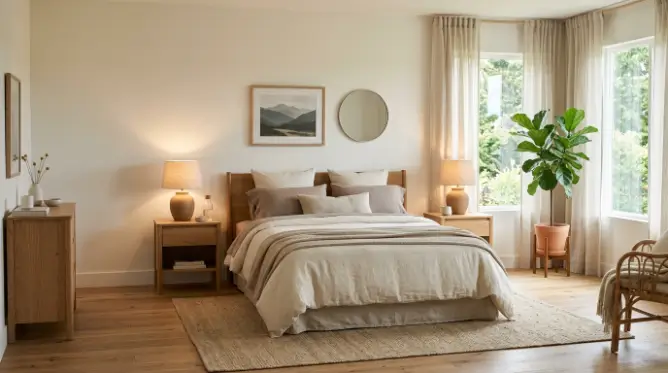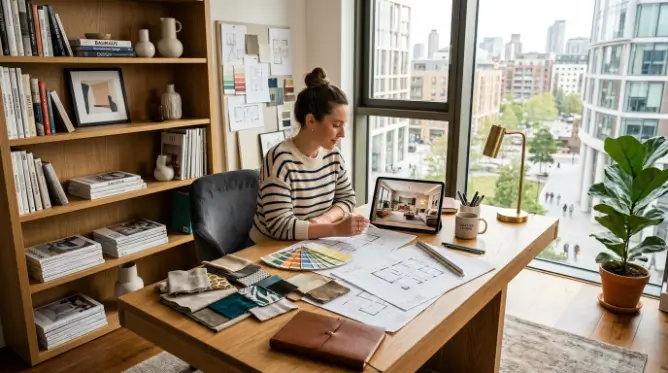
Interior design draws a lot of people who like the idea of getting paid to do what they’d do for their own home anyway pick colors, plan layouts, choose furniture. The harder question is how to actually get into interior design as a career, not just as a hobby.
There isn’t one single path. Some designers go through a four-year degree program. Others build a portfolio through online courses, freelance work, and small residential projects, and land jobs without ever setting foot in a design school. Both routes are real, and which one makes sense depends on your timeline, budget, and whether you’re aiming for licensed commercial work or general residential design.
This guide walks through what interior designers actually do day to day, the practical steps for breaking into the field, whether a degree is required, how to become an interior designer without one, and where to look if you want in-person schooling in Seattle.
What Does an Interior Designer Do?
Before mapping out how to get into the field, it helps to know what the job actually involves it’s less “picking paint colors” and more project management with a creative core.
Common Responsibilities of an Interior Designer
A typical project involves:
- Understanding a client’s needs, habits, and budget before proposing anything
- Space planning working out how a room or building should function, not just look
- Selecting furniture, materials, and finishes that fit both the design and the budget
- Choosing colors, lighting, and textiles that work together
- Building mood boards and concept presentations
- Producing drawings, floor plans, and technical documentation
- Coordinating with contractors, architects, and suppliers during the build-out
- Managing budgets and project timelines
- Presenting concepts and revisions to clients until the design is approved
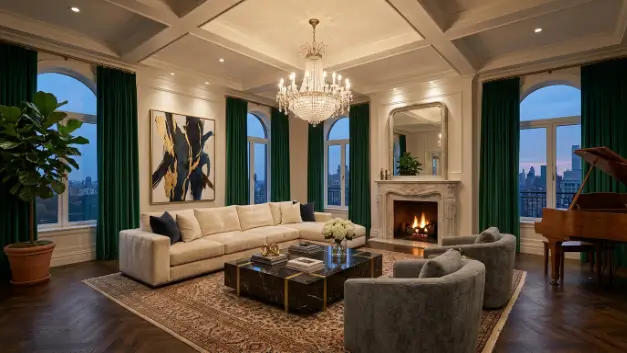
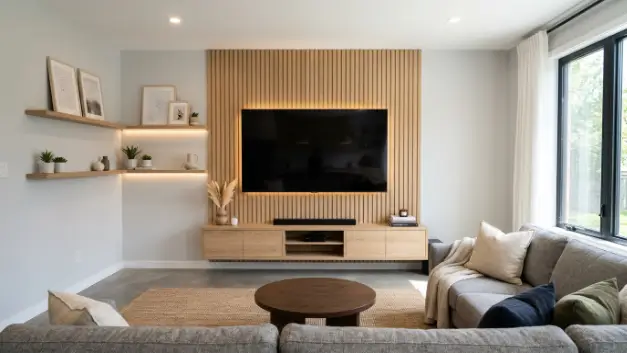
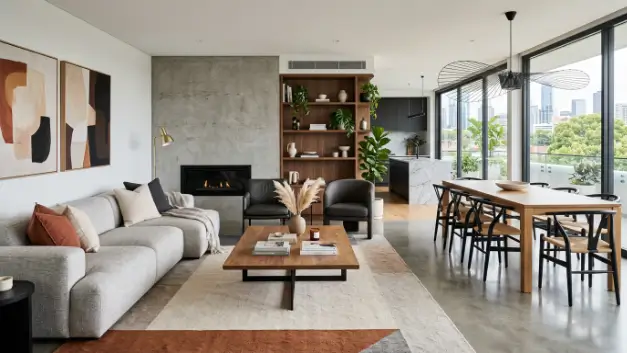
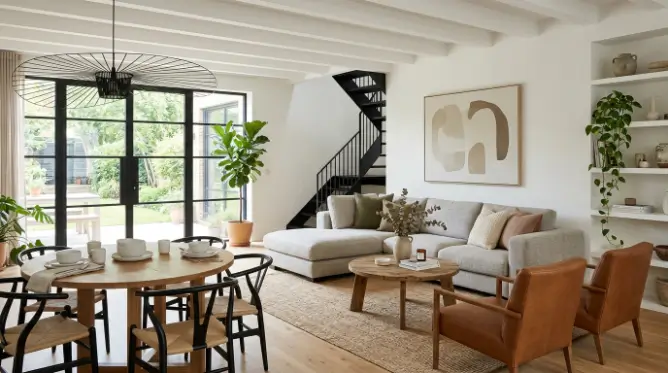
A designer working incontemporary interior design will lean more on clean lines, neutral palettes, and material contrast, while a designer working on a historic renovation will spend more time researching period-appropriate details. The core process plan, propose, refine, execute stays the same across styles.
Interior Designer vs. Interior Decorator
These two titles get used interchangeably, but they’re not the same job. An interior designer typically handles layout, space planning, and sometimes code-related and structural considerations, in addition to aesthetics. An interior decorator focuses on the finished look of a space furniture, color, styling without touching structural or code-related work. In states that regulate the title, only designers who meet specific education and exam requirements can legally use “interior designer” for certain commercial work; decorating generally isn’t regulated the same way.
How to Get Into Interior Design
This is the practical part. Whether or not you pursue a formal degree, the steps below apply to almost everyone trying to break into the field.
1. Learn the Fundamentals
Before software or portfolios matter, you need a working grasp of the basics: design principles, color theory, space planning, lighting, materials, furniture proportions, and textiles. This can come from a degree program, a certificate course, books, or simply studying real projects closely but skipping it shows up quickly in weak portfolio work.
2. Decide Whether You Need a Degree
This is a real fork in the road, and it’s worth answering honestly before you invest time or money more on this below.
3. Build Your Design Skills
Beyond theory, you need to be able to execute: sketching by hand, 2D and 3D visualization, rendering, and clear presentation of ideas. Communication and basic project management matter just as much as design sense, since most of the job involves explaining decisions to clients and coordinating with other people.
4. Learn Interior Design Software
Clients and employers expect familiarity with industry-standard tools. Common ones include AutoCAD and Revit for technical drawing, SketchUp for 3D modeling, and Adobe Photoshop or Illustrator for presentation boards and renderings. You don’t need to master all of them at once pick one drafting tool and one visualization tool and get genuinely competent before adding more.
5. Build a Strong Portfolio
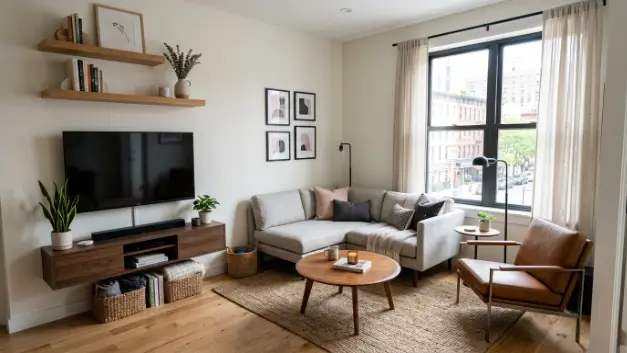
Your portfolio matters more than your resume in this field, sometimes more than a degree. It should include a mix of: concept projects (even hypothetical ones), full room redesigns, floor plans, mood boards, 3D renders, and before/after documentation of any real project you’ve touched. If you’re short on client work, redesigning a friend’s living room or reworkingmodern living room ideas into your own concept is a legitimate way to generate portfolio material early on.
6. Gain Practical Experience
Internships and apprenticeships are the traditional route, but freelance projects, assisting an established designer, or documented personal projects all count. What matters to employers and clients is evidence you can carry a project from concept to completion, not just where the experience came from.
7. Start Applying for Entry-Level Roles
Common starting points include junior interior designer, design assistant, CAD designer, interior design intern, and visual merchandiser roles. These positions are where most designers actually learn the parts of the job a course can’t teach vendor relationships, realistic timelines, and client management under pressure.
Do You Need a Degree to Be an Interior Designer?
This is one of the most common questions people ask before committing to the field, and the honest answer is: it depends on what kind of work you want to do.
What a Degree Actually Provides
A formal degree gives you structured education in design fundamentals, access to internships and career services, and a credential employers recognize. In jurisdictions that regulate the profession, some path toward the NCIDQ exam is usually required for licensed or registered status a CIDA-accredited degree is the most direct route, though qualifying non-CIDA education combined with the right work-experience hours can also meet eligibility requirements. Exactly what’s required, and whether licensing applies at all, varies significantly by state, so check your specific state’s board rather than assuming a national standard.
Can You Become an Interior Designer Without a Degree?
Yes, for a meaningful share of the field particularly unlicensed residential design, decorating-adjacent work, and roles at firms that prioritize portfolio and skill over credentials. What a degree provides in structure, a strong self-built portfolio and demonstrated software skill can partly substitute for. What changes is access: without a recognized degree and the NCIDQ credential, you generally can’t take on regulated commercial work in states that require licensing, and some employers will filter out candidates without a design degree regardless of portfolio quality. So the real question isn’t “can I skip the degree” it’s “what type of design work am I trying to get into.”
How to Become an Interior Designer Without a Degree
If you’re going the self-directed route, here’s what actually moves the needle.
1. Take Interior Design Courses
Short courses, certificates, and workshops online or in person can cover the same fundamentals a degree program teaches, just in a more compressed format. They won’t carry the same weight as an accredited degree for licensure purposes, but they build real skill and give you a credential to list.
2. Learn Industry Software Properly
Without a degree, your practical skills have to speak louder. Being genuinely fluent in a drafting tool and a rendering tool, and being able to produce clean, professional-looking output, does more for your credibility than a list of courses on a resume.
3. Create a Portfolio That Proves You Can Do the Work
This is the single most important asset for someone entering the field without a degree. Treat your own apartment, a family member’s space, or a hypothetical brief as a real project document the problem, your concept, floor plans, mood boards, renders, and the reasoning behind your choices, not just the finished pictures.
4. Get Hands-On Experience However You Can
Internships aren’t the only route in. Assisting an established designer, taking on small freelance residential projects, or helping friends and family with real spaces all count as legitimate experience, as long as you can talk through the decisions you made and why.
5. Network With Design Professionals
Local design events, professional organizations, and online design communities are where a lot of entry-level opportunities actually surface, often before they’re posted publicly. This matters more for people without a degree, since you’re relying on relationships to open doors that a credential might otherwise open on its own.
6. Start With Small Projects
Take on smaller, lower-stakes work first a single room, a small office, a styling refresh and use each one to build both your portfolio and a testimonial. Early projects are about proving reliability and taste as much as technical skill.
Interior Design Online Courses
Online courses are one of the more accessible entry points into the field, especially for people testing the waters before committing to a full degree.
What Should an Online Interior Design Course Actually Teach?
A worthwhile course should cover design fundamentals, space planning, color theory, materials and finishes, lighting, at least one software tool, and ideally some guidance on building a portfolio and handling client communication the business side gets overlooked constantly, and it matters.
Online Courses vs. Traditional Interior Design School
| Online Courses | Traditional School |
| Flexible schedule | Structured curriculum |
| Usually lower cost | Usually more expensive |
| Learn remotely | In-person environment and critique |
| Good for specific skills | Broader, more comprehensive education |
| Often self-paced | More direct instructor interaction |
Neither option is objectively better online courses suit people building skills around a job or other commitments, while in-person programs suit people who want structured feedback and a traditional credential.
Interior Design Schools in Seattle
If you’re specifically looking for in-person education in the Seattle area, there are several established options, though program details, tuition, and admissions requirements change often enough that you should confirm current information directly with each school before applying.
Seattle-Area Program Options
A few programs commonly cited for interior design education in the Seattle area include Seattle Central College’s Associate degree program and Bellevue College’s Bachelor of Applied Arts, which industry sources describe as CIDA-accredited. Cornish College of the Arts, which now operates in partnership with Seattle University, offers interior architecture as a specialization within its broader Design BFA rather than as a fully standalone department a structural change from how the program used to be organized, so it’s worth confirming the current setup directly with the school. Note also that Seattle Pacific University’s interior design program was discontinued for new students as part of 2023–2024 budget cuts, so it shouldn’t be treated as a current option even though older articles still list it. The University of Washington offers design-related degree and continuing-education pathways as well, though exactly which of these currently cover interior design specifically has changed over time confirm directly with UW’s admissions or continuing education office rather than relying on this list. Program structure, credit requirements, and accreditation status shift fairly often across all of these, so treat this as a starting point for research rather than a final recommendation.
How to Choose a School in Seattle (or Anywhere)
Whatever program you’re considering, check: whether it holds relevant accreditation (CIDA accreditation matters if you plan to pursue the NCIDQ exam later), what software the curriculum actually teaches, whether there are internship or portfolio-building opportunities built in, class size and instructor access, total cost versus program length, and what career support exists after graduation.
Skills You Need to Become an Interior Designer
Technical skills: space planning, CAD proficiency, 3D modeling, rendering, material knowledge, and the ability to produce clean technical drawings.
Creative skills: a strong sense of color and composition, creativity within real-world constraints, and attention to detail that shows up in the small decisions, not just the big concept.
Business skills: clear communication, budgeting, client management, project management, and enough negotiation ability to hold a budget or timeline together when things inevitably shift mid-project.
Most people entering the field overweight the creative skills and underweight the business skills which is often the actual reason a talented designer struggles to build a sustainable career.
How Long Does It Take to Become an Interior Designer?
The honest answer depends heavily on the path. Learning the fundamentals through self-study or a short course can take a few months. A certificate program is often six months to a year. An associate degree typically runs about two years, and a bachelor’s degree around four. Add work experience requirements on top if you’re aiming for NCIDQ eligibility and licensure, which can take several additional years.
It’s worth separating two different milestones: learning enough to produce competent design work, and becoming professionally competitive enough to get hired or land clients consistently. The first can happen faster than most people expect; the second usually takes longer, because it depends on portfolio quality and real project experience, not just time spent studying.
How to Build an Interior Design Portfolio
A strong portfolio, more than almost anything else on this list, determines whether you get hired or hired again.
- Start with three to five solid projects rather than a large number of thin ones.
- Clearly show the design problem you were solving, not just the result.
- Walk through your concept and reasoning.
- Include mood boards showing your material and color direction.
- Include floor plans and technical drawings, even for smaller projects.
- Include renders or sketches that show the design taking shape.
- Show the final result clearly, with good photography or renders.
- Briefly explain the decisions you made and why this matters as much as the visuals for anyone evaluating whether you can think through a project, not just style one.
This kind of documentation-heavy portfolio is especially useful if you’re coming into the field without a degree, since it demonstrates process and judgment, not just finished aesthetics.
Interior Design Career Paths
Once you’re established, the field splits into several directions: residential interior design, commercial design, hospitality design (hotels, restaurants), kitchen and bath design, set or stage design, retail design, furniture and styling specialization, and independent freelance practice. Many designers move between a few of these over a career rather than staying in one lane, since skills largely transfer and client needs often blend categories anyway.
Frequently Asked Questions About Becoming an Interior Designer
Do you need a degree to be an interior designer? Not always. A degree matters most for licensed commercial work and for employers who screen by credential. For general residential and decorating-adjacent work, portfolio and skill can carry significant weight on their own.
Can you become an interior designer without a degree? Yes, in large parts of the field though regulated commercial work in states that require licensing generally still requires the education and NCIDQ pathway.
How can I get into interior design with no experience? Start with courses to build fundamentals, create portfolio projects using your own space or hypothetical briefs, and take on small real projects for friends, family, or as pro-bono work to build both a portfolio and references.
What should I study to become an interior designer? Design principles, color theory, space planning, materials, lighting, and at least one CAD or 3D visualization tool. Business and client-communication skills are just as important, even though they’re rarely emphasized in course descriptions.
Can I learn interior design online? Yes, particularly the fundamentals and software skills. Hands-on client experience is harder to replicate online, so most self-taught designers pair online learning with real or self-directed projects.
Are interior design online courses worth it? They’re worth it if you’re specific about what you need a particular software skill, a fundamentals refresher, or portfolio guidance. They’re less useful if you’re expecting them to substitute entirely for a credential in a state that requires formal licensure.
What software should an aspiring interior designer learn? A drafting tool (AutoCAD or Revit), a 3D modeling tool (commonly SketchUp), and a presentation tool (Photoshop or Illustrator) cover most of what entry-level work requires.
Are there interior design schools in Seattle? Yes Seattle Central College and Bellevue College both offer relevant programs, and Cornish College of the Arts (in partnership with Seattle University) offers interior architecture as part of its Design BFA. Seattle Pacific University’s program is no longer accepting new students. Confirm current curriculum, accreditation, and admissions details directly with each school before applying, since program structures have shifted recently.
Start Your Journey Into Interior Design
There’s no single correct path into this field. A degree program gives you structure, credentials, and a clearer route to licensure if that’s where you’re headed. A self-directed path built on courses, software skill, and a strong portfolio can get you into residential and decorating-adjacent work without that same investment of time or money. What matters more than which path you pick is whether you’re actually building the portfolio, skills, and experience that prove you can do the work because that’s what clients and employers evaluate, regardless of how you got there.
If you’re just starting to build project ideas for your portfolio, theHome Edit Guide is a practical place to practice small, real changes to an actual room are often more convincing to a future client than a purely conceptual project.