
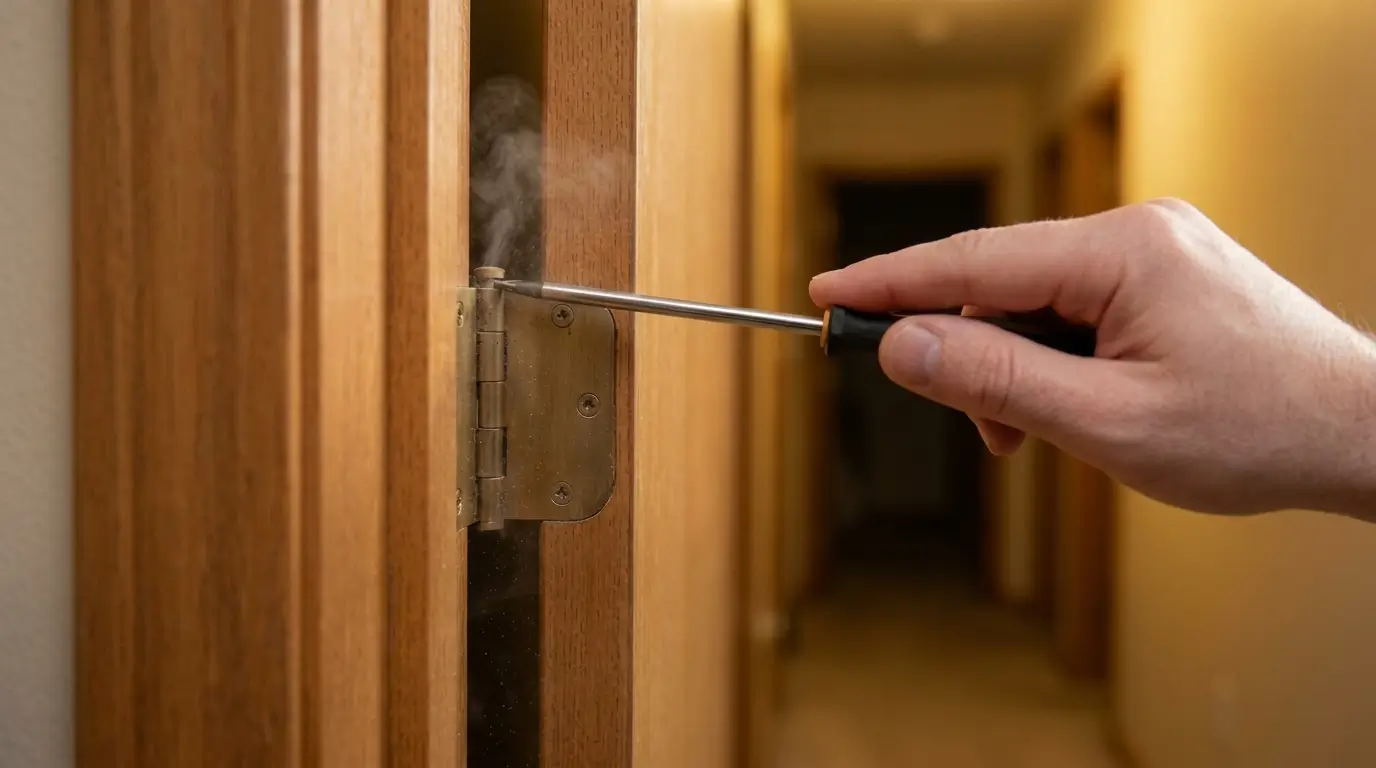
That sharp, high-pitched sound every time you open your bedroom or hallway door isn’t just annoying it’s your hardware asking for a little attention. If you’ve been searching for how to fix squeaky door noise once and for all, the good news is that most fixes take less than ten minutes and don’t require calling a professional.
In almost every case, that door creaking sound comes from friction inside the hinge dry metal parts rubbing against each other every time the door moves. Before you start, gather a few basic supplies: a lubricant (spray or oil-based), a screwdriver, an old cloth or paper towel, and possibly a replacement screw or two. With these on hand, learning how to fix a squeaky door is a simple weekend task that any homeowner can handle.
From my own experience maintaining older homes, squeaky doors are one of those small problems that get worse the longer you ignore them but they’re also one of the easiest to solve permanently once you know where to look.
Why Is My Door Squeaking?
Before grabbing any tools, it helps to understand what’s actually causing that door creaking sound. A handful of everyday issues are almost always to blame:
- Dry or rusty door hinges: over time, factory lubricant wears off, leaving metal parts to grind against each other.
- Dirt and debris around the hinge pins: dust and grime build up and interfere with smooth movement.
- Loose screws: as wood expands and contracts with humidity, hinge screws can work themselves loose.
- Misaligned hinges: if a door wasn’t hung perfectly straight, the hinges bear uneven pressure.
- Door rubbing against the frame: this creates friction noise that sounds similar to a hinge squeak.
- A sagging door: over years of use, the door itself can shift slightly on its hinges.
Once you know which of these applies to your door, fixing it becomes much more straightforward.
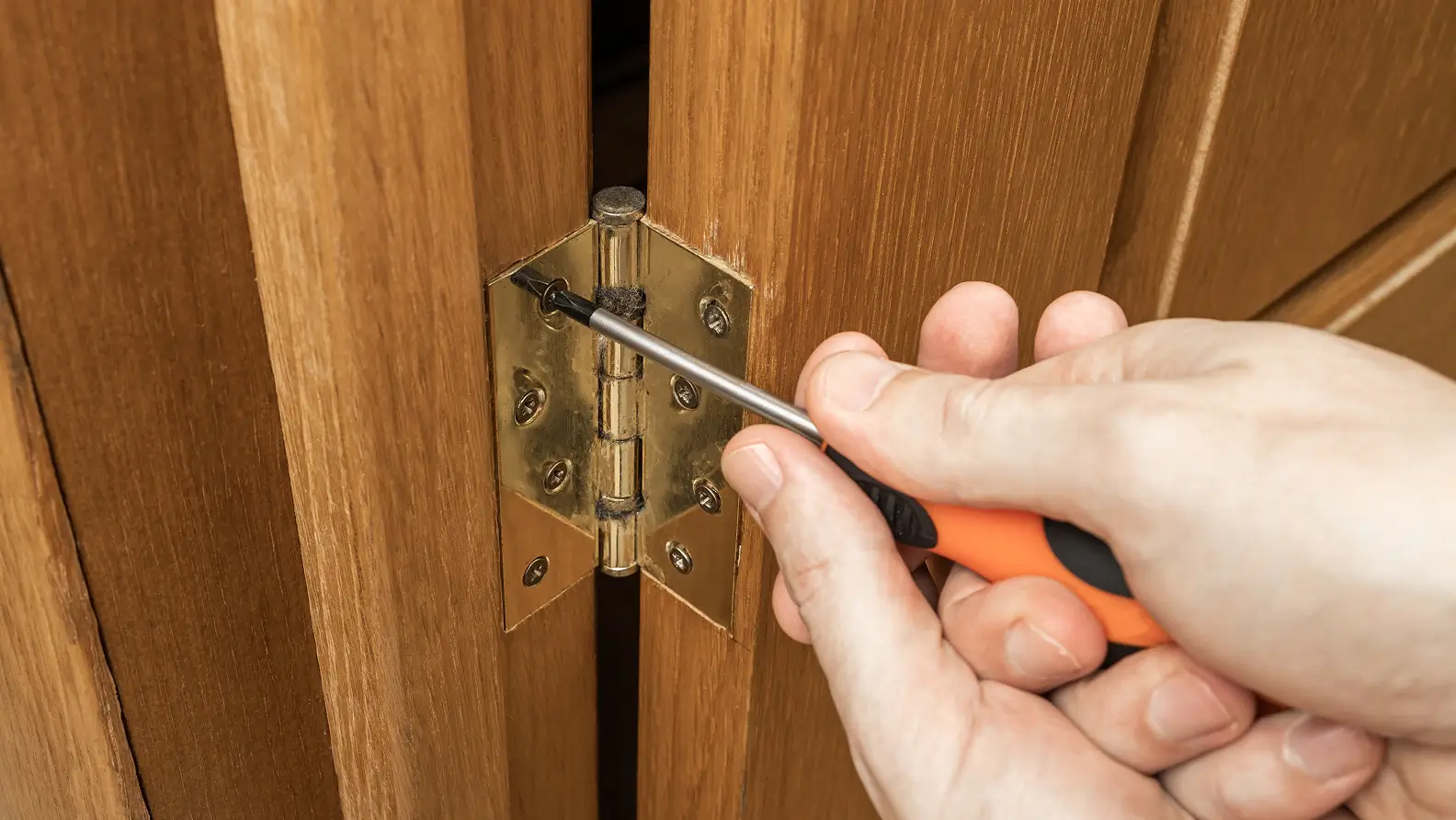
How to Fix a Squeaky Door Step by Step
1. Find the Source of the Squeak
Start by opening and closing the door slowly, listening carefully at each hinge. Most doors have two or three hinges, and usually only one is the actual culprit. Gently wiggle each hinge while the door is open to see if you can pinpoint where the sound is coming from.
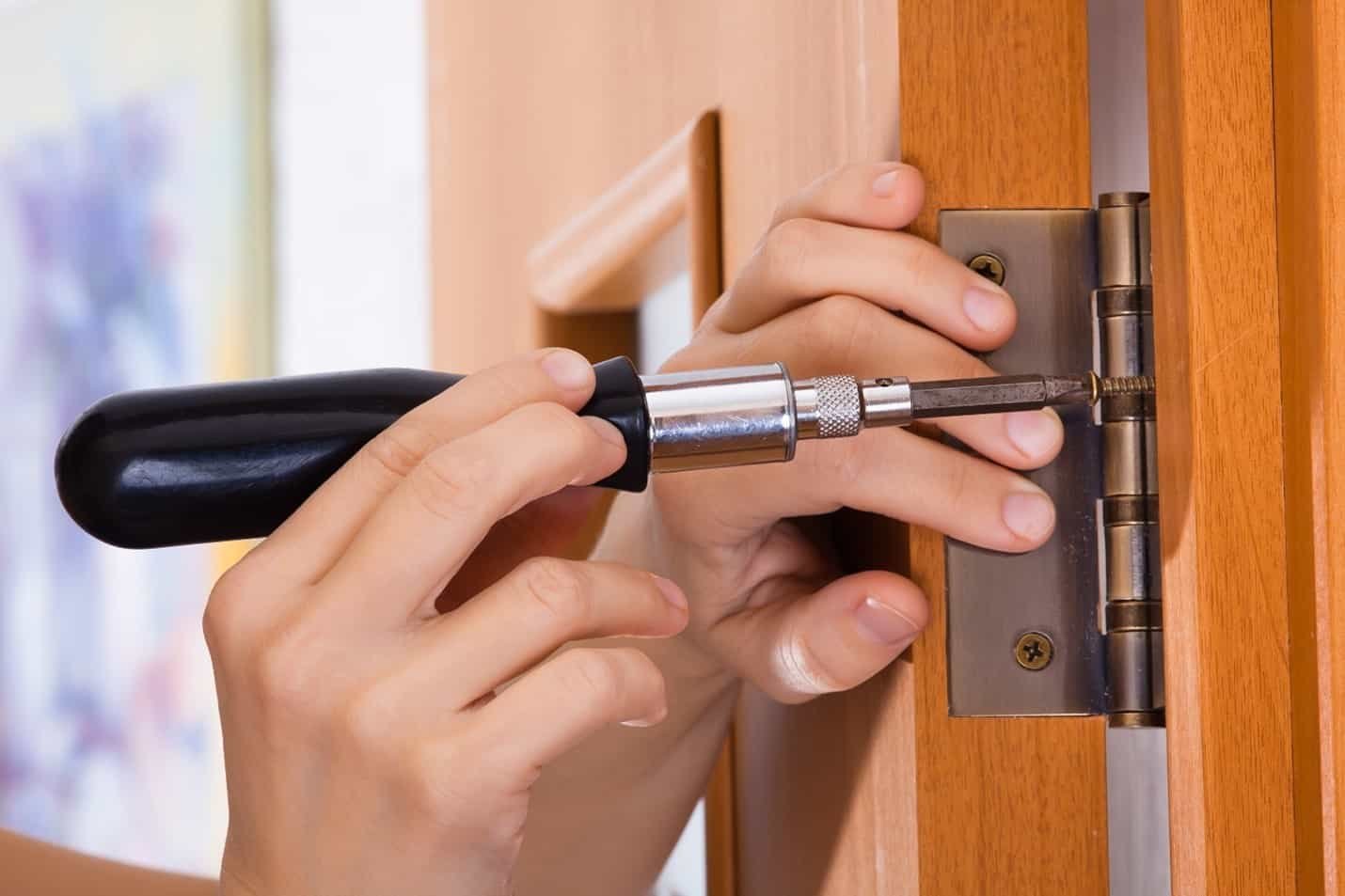
2. Tighten the Hinge Screws
Loose screws are one of the simplest causes to fix. Using a screwdriver, check each screw on every hinge plate and tighten anything that feels loose. If a screw spins without tightening, the hole itself may be stripped in that case, replace it with a slightly longer screw so it can grip fresh wood inside the frame.
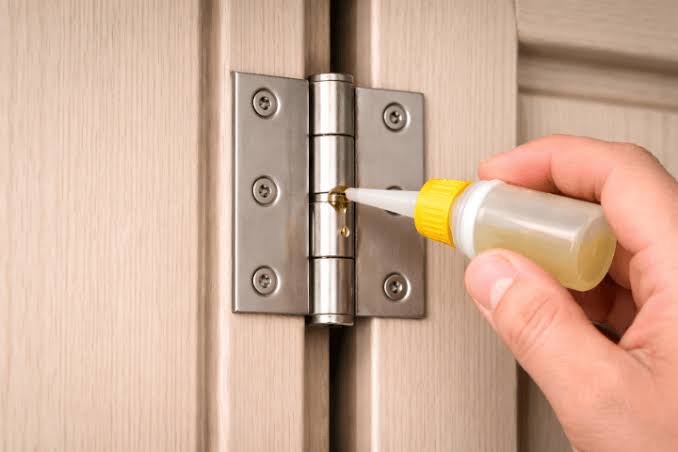
3. Lubricate the Door Hinges
This is the fastest fix for a squeaky door hinge fix, and it works most of the time. Apply a few drops of lubricant directly onto the hinge, focusing on the area where the two metal leaves meet. Open and close the door several times to work the lubricant deep into the joint, then wipe away any excess with a cloth so it doesn’t drip onto your flooring.
4. Lubricate the Hinge Pin
If the hinge is still noisy, the pin itself may need attention. Place a cloth underneath to catch drips, then use a hammer and a small nail or flathead screwdriver to gently tap the pin upward until it slides out. Wipe off any rust or old grime, apply a thin coat of lubricant along the pin’s length, and slide it back into place. Test the door a few times this usually resolves even stubborn cases when you’re trying to figure out how to stop a door from squeaking.
If your fix worked but you’re wondering how to make door stop squeaking long-term, repeat this lubrication every six to twelve months as routine maintenance, especially in humid climates.
How to Fix a Sagging Door
A sagging door often squeaks and feels harder to close properly. Common signs include the door scraping the floor, a visible gap that’s uneven from top to bottom, or the latch no longer lining up with the strike plate.
If you’re wondering how to fix a sagging door, start with the basics:
- Tighten hinge screws on all hinges, not just the noisy one a sagging door usually means the top hinge is under extra strain.
- Replace damaged screws with longer wood screws that reach deeper into the door frame’s structural stud for better support.
- Check hinge alignment to confirm the door is hanging evenly; small washers or shims behind a hinge can sometimes correct minor sagging.
If the door continues to sag after these adjustments, or if the wood around the hinge is cracked or rotted, it’s worth calling in a professional. Structural sagging tied to frame damage isn’t something a screwdriver alone can fix.
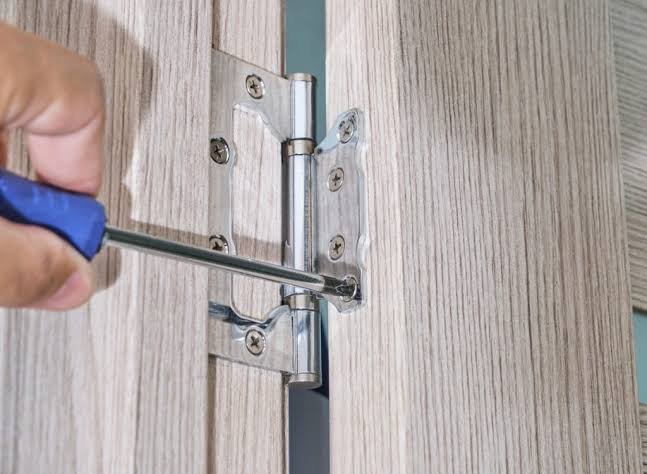
What If Lubricating the Hinges Doesn’t Work?
Sometimes lubrication only masks the problem temporarily. If squeaking returns quickly, look for these underlying issues:
- Damaged hinges with worn-out pivot points
- Rust that’s eaten into the metal itself
- Loose hinge plates that shift under the door’s weight
- Door rubbing against the frame, which sounds like a squeak but is actually friction
- A warped door, common in humid or older homes
- Poor alignment from an uneven frame or foundation settling
In these situations, replacing the hinge is usually more effective than repeatedly oiling a part that’s already worn out. New hinges are inexpensive and take only a few minutes to swap.
When Should You Replace a Door?
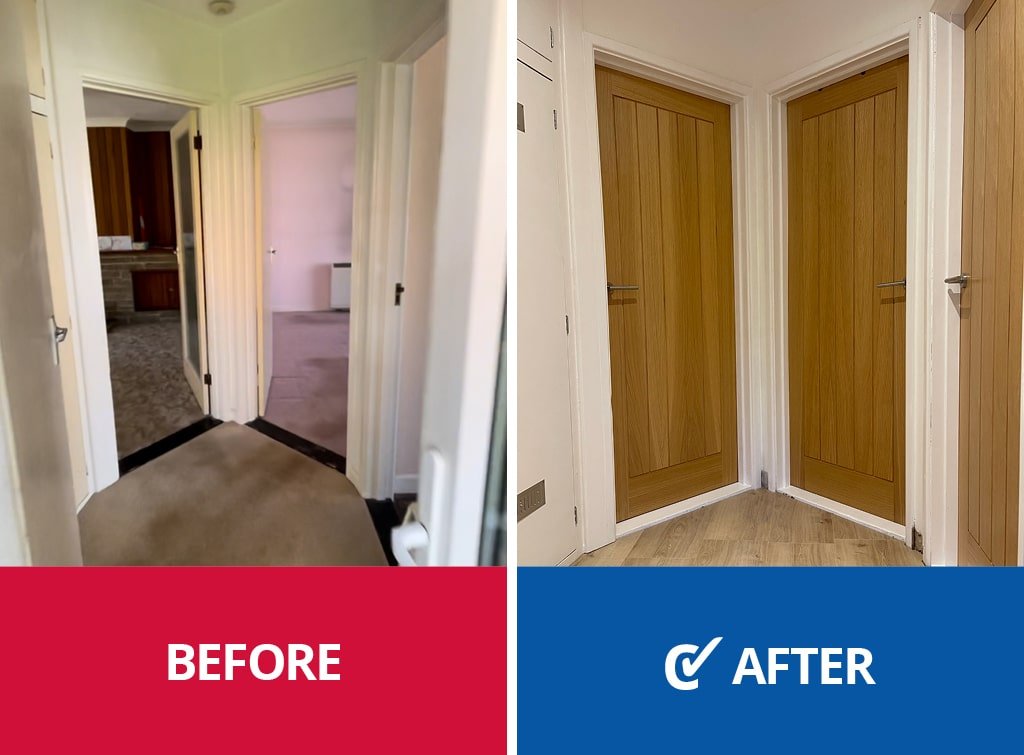
Not every squeaky or sticking door needs full replacement but some situations call for it:
- Severe physical damage or cracking
- Noticeable warping that affects the seal
- Rot or moisture damage, especially near the bottom
- Poor insulation that’s driving up energy bills
- An outdated look that no longer matches your home
- Security concerns with an older or weakened door
Door Installation vs. Front Door Replacement
It’s worth understanding the difference between general door installation and a full front door replacement. Installing a new interior door is typically a straightforward project involving fitting a pre-hung door into an existing frame. A front door replacement, on the other hand, often involves upgrading weatherstripping, hardware, and sometimes the frame itself, since exterior doors deal with far more exposure to weather and daily wear.
Popular Door Options and Styles
If you’ve decided it’s time for something new, there are several materials and styles worth considering:
- Wood doors: classic, warm, and easy to refinish, though they require more upkeep
- Fiberglass doors: durable, energy-efficient, and low-maintenance, with brands like Therma-Tru doors widely known for their weather-resistant construction
- Steel doors: strong and secure, ideal for exterior entryways
- Glass-panel doors: great for adding natural light to interior spaces
- Modern interior door styles: including flush, paneled, and barn-style doors that suit a range of design tastes
If you’re updating doors as part of a bigger design refresh, it pairs well with broader inspiration like Modern Living Room Ideas when choosing interior door finishes, or Contemporary Interior Design if you want your new doors to match a broader style direction throughout the home.
How to Replace a Door Handle
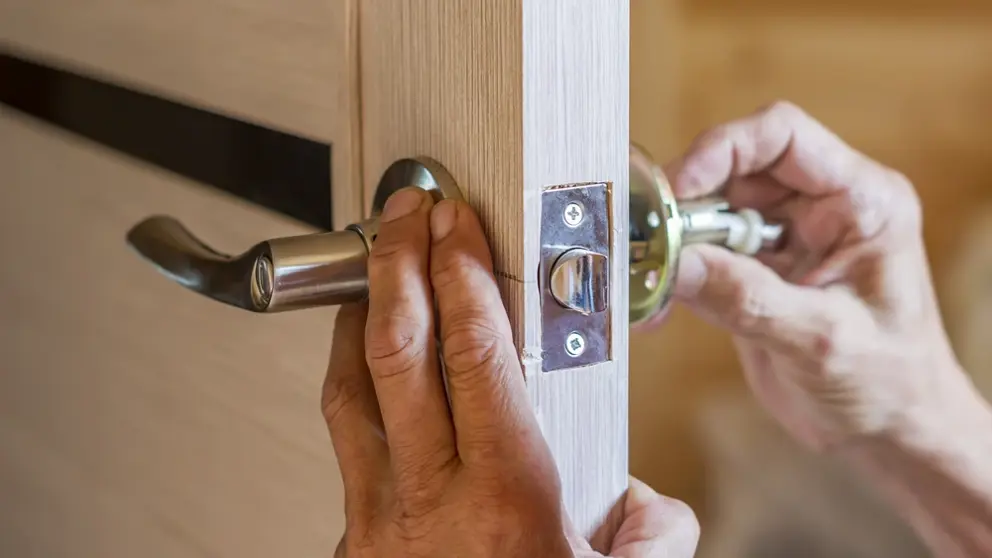
While you’re addressing hinge noise, it’s common to notice the handle itself is loose, outdated, or doesn’t match your other hardware. Here’s a quick overview of how to replace door handle hardware:
- Remove the old handle by unscrewing the interior plate and pulling both sides apart.
- Remove the latch by unscrewing the faceplate on the door’s edge and sliding it out.
- Install the new latch, making sure the beveled edge faces the direction the door closes.
- Attach the new handles, aligning the spindle through the latch mechanism on both sides.
- Test the lock and latch several times to confirm smooth operation before considering the job done.
This is a natural next step for many homeowners, since fixing a noisy door often leads to noticing other hardware that’s due for an upgrade and it’s a great excuse to browseBathroom Ideas or Feng Shui Bedroom inspiration if you’re refreshing hardware finishes throughout the house.
Other Common Door Problems Homeowners Ask About
How Tall Is a Door?
Standard interior doors in the US are typically 80 inches tall, while exterior doors are also commonly 80 inches, though taller 96-inch options exist for modern builds. Knowing how tall is a door in your home matters most when you’re shopping for a replacement, since pre-hung doors are manufactured in standard sizes.
How to Clean a Glass Shower Door?
For a quick answer to how to clean a glass shower door? a mix of white vinegar and water works well on soap scum and hard-water spots. Spray it on, let it sit for a few minutes, then wipe with a squeegee or microfiber cloth to keep glass streak-free.
Garage Door Problems Are Different
It’s worth noting that a garage door operates on a completely different mechanism than a standard interior or exterior door, relying on springs, tracks, and often a motorized opener rather than simple hinges.
How Much Does a New Garage Door Cost?
If you’re asking how much does a new garage door cost, several factors affect the final price:
- Door material (steel, wood, aluminum, or composite)
- Size, since two-car garage doors cost more than single-car doors
- Insulation level, which affects both price and energy efficiency
- Style and design details
- Installation labor
- Your location, since regional labor and material costs vary
Generally speaking, how much is a new garage door depends most heavily on material and insulation choice, with basic steel doors on the lower end and custom wood or insulated designs costing significantly more.
Garage Door Repair vs. Replacement
Deciding between garage door repair and full replacement usually comes down to age and damage. Minor issues like worn rollers, a broken spring, or a misaligned track are almost always repairable. But if the door is decades old, visibly dented, or poorly insulated, replacement often makes more financial sense long-term.
How to Program a Garage Door Opener
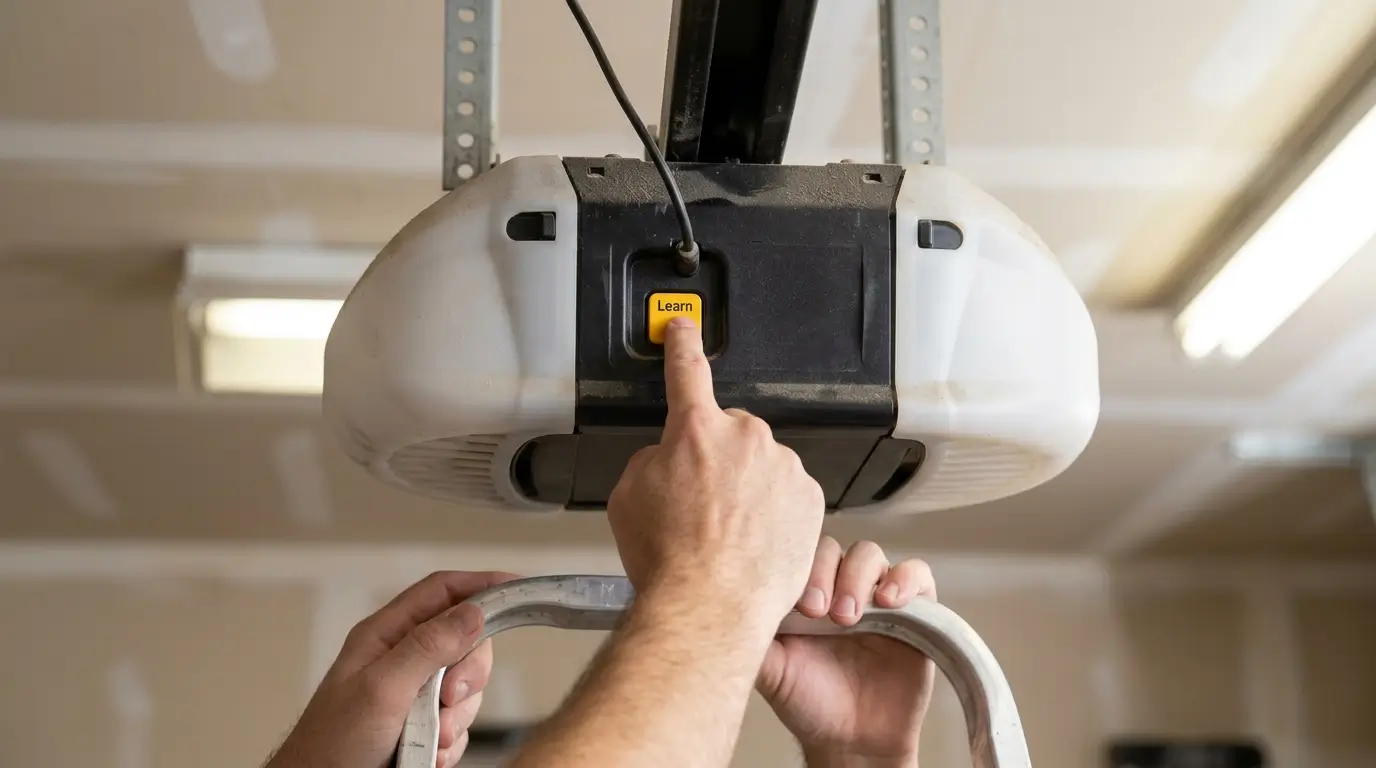
Learning how to program garage door opener settings is simpler than it sounds:
- Locate the learn or program button on the motor unit, usually near the antenna.
- Press and release the button to put the opener into programming mode.
- Press the button on your remote or keypad within about 30 seconds.
- Test the opener to confirm the door responds correctly.
Frequently Asked Questions About Squeaky Doors
How do you fix a squeaky door?
The most reliable fix is lubricating the hinge and hinge pin, tightening any loose screws, and checking for alignment issues if the noise continues afterward.
What is the best lubricant for a squeaky door?
Silicone-based sprays or dedicated household oil work best for long-lasting results. Apply a small amount directly to the hinge joint, and avoid over-lubricating, since excess oil can attract dust and grime over time.
How do you stop a door from squeaking without taking it apart?
Simply spray or drip lubricant into the hinge while it’s still attached, then open and close the door repeatedly to work it into the joint no disassembly required.
Why does my door squeak when I open it?
Squeaking usually comes down to hinge friction caused by dirt, rust, dryness, loose screws, or slight misalignment in how the door hangs.
Can WD-40 stop a door from squeaking?
WD-40 can offer a quick, temporary fix since it’s a penetrating oil that loosens rust and grime. However, it evaporates faster than dedicated lubricants, so for longer-lasting results, follow up with a silicone spray or household oil once the initial grime is cleared.
How do you fix a squeaky door hinge?
Remove excess dirt, apply lubricant to both the hinge joint and pin, tighten any loose screws, and test the door repeatedly until the sound disappears.
Related Home Improvement Guides
If you’re tackling small home fixes like this one, you might also enjoy browsing more ideas over atHome Edit Guide, plus these related reads:
- Modern Living Room Ideas
- Feng Shui Bedroom
- Bathroom Ideas
- Contemporary Interior Design
Final Thoughts
Most squeaky doors can be fixed with a bit of basic DIY maintenance and a few household tools. Start by checking the hinges, since that’s where the vast majority of noise originates. Tighten any loose screws, lubricate the moving parts, and take a closer look at alignment if the squeak doesn’t go away. When hinges are too worn or damaged to fix, replacing them is a quick and affordable solution.
Whether you’re solving a single noisy hinge or planning a bigger door upgrade, a little routine care goes a long way toward a quieter, smoother-functioning home. For more practical home improvement tips and design inspiration, explore the rest of the guides on Home Edit Guide.