87 TV Wall Ideas for a Stylish Living Room: Modern, Built-In, Fireplace & Small-Space Designs
A well-designed TV wall can do much more than hold your television. It can become the visual focal point of your living room, provide hidden storage, frame artwork, add warmth with wood or stone, and make an otherwise empty wall feel intentional. Whether you prefer a clean TV wall design simple enough for a minimalist home or a dramatic built-in with cabinets and a fireplace, the right approach depends on your room, furniture, viewing distance, and personal style.
The best TV wall ideas balance function and aesthetics. A wall-mounted TV can be surrounded by shelving, paneling, artwork, lighting, or cabinetry, while smaller rooms may benefit from a simple floating console or slim accent wall. If you are wondering how to decorate a TV wall, the key is to create a composition around the screen without making the television feel disconnected from the rest of the room. For more living room inspiration beyond just the media wall, visitHome Edit Guide.
Below, you’ll find modern, traditional, minimalist, built-in, wood, fireplace, small-space, and budget-friendly TV wall design ideas, followed by practical guidance on mounting height, cable management, storage, and decorating around a TV.
87 TV Wall Ideas for Every Living Room
- Keep the TV Wall Design Simple A simple design can often have the biggest impact. Mount the TV directly on a clean wall and place a slim console underneath it.
This TV wall design simple approach works especially well when your living room already has strong furniture, artwork, or architectural details.
- Create a Modern TV Wall For a modern TV wall design, combine a wall-mounted television with clean lines, neutral colors, natural wood, and minimal accessories. For a wider set of directions to take the rest of the room, ourModern living room ideas guide covers styles that pair naturally with this kind of wall.
Keep the surrounding area relatively uncluttered so the television becomes part of the architecture rather than looking like an added appliance.
- Add a Wood Accent Wall Wood immediately adds warmth to a TV wall.
Use vertical wood slats, wide panels, oak boards, or walnut tones behind the television to create a sophisticated focal point.
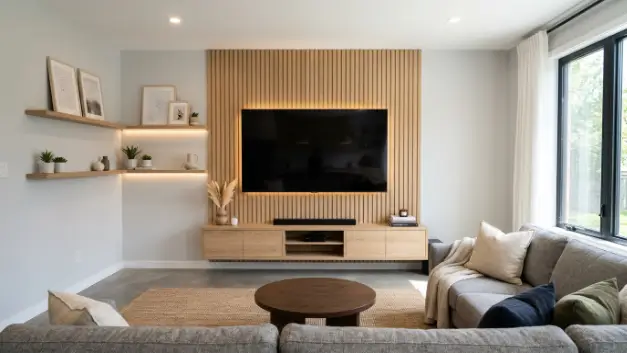
- Try a Wood Slat TV Wall A wood slat TV wall creates texture while maintaining a contemporary appearance.
Vertical slats can also emphasize ceiling height, making them useful in rooms with relatively low ceilings.
- Use Wood Panels Behind the TV For a cleaner alternative to individual slats, install large wood panels behind the screen.
This wood panel TV wall works especially well with black, white, beige, and earthy living room palettes.
- Choose a Minimalist TV Wall A minimalist TV wall design relies on fewer elements.
Use a flat wall, concealed cables, a slim console, and perhaps one decorative object rather than filling the entire wall with shelves.
- Build a TV Wall With Cabinets Cabinetry can turn an empty wall into useful storage.
A TV wall with cabinets is ideal for hiding gaming consoles, remotes, DVDs, books, toys, and other everyday items.
- Add Built-In Shelves TV wall built ins can combine open shelving, closed cabinets, and the television in one cohesive design.
Use the shelves for books, artwork, plants, ceramics, and decorative objects.
- Create a Full Built-In TV Wall If your living room has enough space, consider a floor-to-ceiling built-in.
A built in TV wall unit can include the television, storage cabinets, shelves, lighting, and even a fireplace.
- Use a Floating TV Console A floating console keeps the floor visible and creates a lighter appearance.
This is particularly useful for modern interiors and smaller rooms where bulky furniture can make the space feel crowded.
- Add a TV Wall With Shelves Shelves can frame the TV without requiring a complete built-in.
Use two vertical shelves on either side or one long shelf below the screen for a balanced arrangement.
- Create an Accent Wall Living Room TV An accent wall living room TV arrangement can use paint, wallpaper, wood, stone, or paneling to distinguish the television area from the rest of the room.
Choose a finish that complements the existing furniture rather than competing with it.
- Try a Dark TV Accent Wall Charcoal, deep green, navy, and warm brown can make the television wall feel sophisticated.
A darker background can also visually integrate a black television into the wall.
- Use a Light Neutral Background For a softer look, use warm white, cream, beige, or pale gray.
This works particularly well in Scandinavian, minimalist, and contemporary living rooms.
- Frame the TV With Vertical Panels Vertical paneling creates architectural rhythm.
Continue the panels beyond the width of the TV so the screen feels intentionally positioned within the larger wall.
- Add Wall Molding Traditional wall molding can give a modern TV a more sophisticated setting.
Paint the molding and wall the same color for a subtle effect.
- Try a Modern Fireplace TV Wall Combining a television and fireplace creates a strong focal point.
A modern fireplace TV wall can use stone, plaster, wood, or tile to visually connect both features.
- Place the TV Above an Electric Fireplace An electric fireplace can create the look of a traditional fireplace without requiring a chimney.
However, always follow the manufacturer’s requirements for TV placement and heat clearance.
- Create a Stone TV Wall Natural or manufactured stone can make a television wall feel substantial and architectural.
Choose a relatively restrained stone pattern if the room already contains bold furniture.
- Try a Marble TV Wall A marble TV wall creates a luxurious appearance.
Large-format marble-look porcelain or stone panels can provide a similar visual effect while offering different maintenance and cost considerations.
- Use Brick Behind the TV Exposed or painted brick can give a TV wall industrial character.
It works particularly well with black metal furniture, leather seating, wood, and warm lighting.
- Try Shiplap Shiplap remains useful for farmhouse, transitional, and casual interiors.
Paint it white for a bright look or use a darker color for a more contemporary interpretation.
- Add a Plaster Finish A textured plaster wall can create an understated backdrop.
Soft beige, off-white, and earthy plaster tones work particularly well with organic modern furniture.
- Create a Gallery Around the TV A television doesn’t have to be isolated.
Hang artwork around the screen to make it part of a larger gallery composition. Keep enough visual breathing room so the wall does not become chaotic.
- Put Artwork Beside the TV If a full gallery feels too busy, place one or two larger pieces beside the television.
Choose artwork that repeats colors already found in your sofa, rug, or curtains.
- Add Decorative Shelves Above the Console A shelf below or beside the TV provides an easy place for books, plants, ceramics, and small artwork.
Keep accessories relatively low-profile so they don’t distract from the screen.
- Use a Long Console Under the TV A console wider than the television often creates a more balanced composition.
It also provides space for speakers, media equipment, lamps, and decorative objects.
- Create Symmetry With Cabinets Matching cabinets on either side of the television can make a wall feel organized.
This is especially effective in traditional and transitional living rooms.
- Use Asymmetrical Shelving Modern interiors do not always need perfect symmetry.
Different-sized shelves can create a more relaxed, collected appearance as long as the overall visual weight remains balanced.
- Hide the TV Behind Cabinet Doors If you don’t want the television visible all the time, consider cabinetry designed to conceal it.
This approach is especially useful in formal living rooms where the TV isn’t the primary focal point.
- Use Sliding Panels Sliding wood or decorative panels can conceal a television when it is not being used.
This can turn the TV wall into a piece of architecture rather than an electronic display.
- Add LED Backlighting Subtle LED lighting behind a TV or within shelving can add depth.
Use it as accent lighting rather than the primary source of illumination.
- Install Picture Lights A picture light above nearby artwork can make the TV wall feel more like an art display.
Choose warm lighting so the room remains comfortable in the evening.
- Use Wall Sconces Wall sconces can frame the television area while providing ambient light.
Avoid placing bright lights where they create reflections on the screen.
- Create a Warm Modern TV Wall Combine warm wood, cream upholstery, soft beige walls, and natural textures.
This creates a modern look without the room feeling cold or overly minimalist.
- Try an Organic Modern TV Wall Organic modern design combines clean furniture with wood, stone, linen, plaster, and earthy colors.
A simple wood-and-plaster TV wall can work beautifully with this style.
- Mix Modern and Traditional Elements Pair a contemporary television with traditional molding, an antique console, or classic artwork.
The contrast can make the room feel more layered and personal.
- Use Black and Wood Together Black provides contrast while wood adds warmth.
A black television against a walnut or oak panel can become an especially strong focal point.
- Create a White and Wood TV Wall White walls combined with natural wood create a bright, timeless appearance.
This is a useful option when you want the television wall to feel modern without becoming visually heavy.
- Add Greenery Around the TV Plants can soften the hard lines of a television and cabinetry.
Use one tall plant or several small plants rather than overcrowding the media area.
- Add Floating Cabinets Floating cabinets provide storage while keeping the floor visible.
They are a practical choice for contemporary and minimalist homes.
- Use Open and Closed Storage Together Combining open shelving with closed cabinets gives you the best of both worlds.
Display attractive objects while hiding electronics and everyday clutter.
- Create a Floor-to-Ceiling TV Wall A full-height design can make the wall feel intentional and architectural.
Use cabinetry, paneling, shelves, or a combination of materials to create vertical interest.
- Design Around the Room’s Architecture If your wall has a fireplace, alcoves, windows, beams, or columns, use them as part of the design.
The best TV wall design ideas work with the architecture rather than trying to hide it.
- Put the TV in a Recessed Niche A recessed TV niche can visually contain the television.
Add lighting, wood, stone, or a contrasting paint color to make the niche a deliberate feature.
- Use a Concrete-Look Wall Concrete-look panels or plaster can create an industrial modern appearance.
Balance the hard surface with wood, rugs, upholstery, and warm lighting.
- Add a Textured Accent Wall Textured wallpaper, plaster, paneling, or stone can add depth without requiring a large amount of decoration.
- Use Wallpaper Behind the TV A subtle wallpaper can make a TV wall more decorative.
Avoid overly busy patterns if the television is large or the room already has multiple patterns.
- Try a Two-Tone TV Wall Use one color on the main wall and another on the cabinetry or lower section.
This can visually separate the media area without requiring expensive construction.
- Add a Floating Shelf Below the TV A single long shelf is one of the easiest TV wall decor ideas.
Use it for a soundbar, books, ceramics, or a few carefully selected accessories.
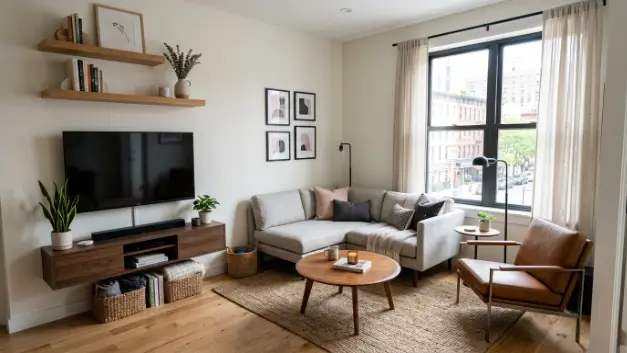
- Create a Small Living Room TV Wall In a small living room, simplicity usually works best. Getting theSmall living room layout right first makes it much easier to decide how much wall the TV setup should actually take up.
A wall-mounted television, slim console, and one accent finish can provide everything you need without overwhelming the room.
- Use a Slim TV Unit in a Small Space For small TV wall ideas, choose shallow furniture.
Avoid deep cabinets that reduce walking space.
- Try a Corner TV Wall If the main wall isn’t practical, a corner arrangement can make better use of an awkward room.
Just make sure the viewing angle remains comfortable from the main seating area.
- Use a Mirror Carefully in a Small Room A mirror can reflect light and create a greater sense of depth.
Place it beside the television rather than directly opposite the screen if reflections become distracting.
- Choose a Wall-Mounted TV for Apartments For TV wall ideas for apartments, mounting the screen can free up valuable floor space.
If you rent, check your lease before drilling into the wall and consider removable or freestanding alternatives when necessary.
- Create a Compact TV Wall Unit A narrow console with drawers can provide enough storage without consuming the entire wall.
This works particularly well for apartments and compact living rooms.
- Use Vertical Storage in a Small Room When floor space is limited, go upward.
Tall shelving around the TV can provide substantial storage while keeping the floor relatively open.
- Use One Strong Accent Instead of Many A small room does not need dozens of decorative objects.
Choose one strong material, such as wood paneling, and keep the rest of the wall relatively simple.
- Choose Light Colors for a Small TV Wall Cream, warm white, pale beige, and light gray can make a compact media area feel more open.
- Use a Floating TV Unit in a Tiny Room For tiny living room ideas, floating furniture is particularly useful because the visible floor beneath it creates a lighter appearance.
- Add a Fireplace Below the TV A fireplace beneath the television creates vertical hierarchy.
Use a continuous material, such as stone or plaster, to visually connect the two elements.
- Create a Full Fireplace Feature Wall Instead of treating the fireplace and television as separate features, design the entire wall as one composition.
This can include a fireplace, TV, storage, shelves, and lighting.
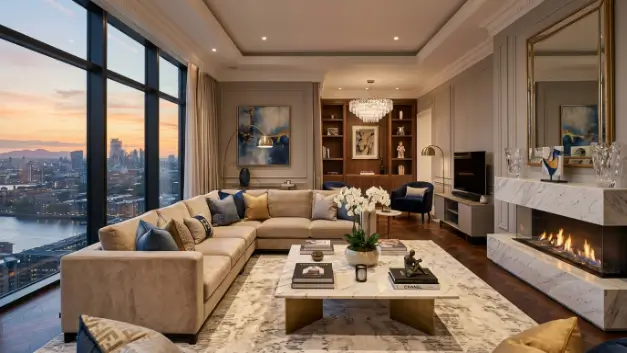
- Use a Linear Electric Fireplace A long linear fireplace can complement the horizontal shape of a television.
The result can feel especially contemporary when both are framed by the same wall material.
- Use Stone Around the Fireplace and TV Stone provides texture and helps turn a basic wall into an architectural focal point.
Choose a stone that works with the room’s flooring and furniture.
- Consider TV Placement Before Installing the Fireplace Don’t install the fireplace first and then decide where the television should go.
Plan viewing height, heat clearance, seating distance, and electrical connections together.
- Hide TV Wires Inside the Wall Concealed wiring creates one of the cleanest results.
Before cutting into drywall, make sure the electrical and cable work complies with local requirements and is completed appropriately.
- Use a Cable Raceway If hiding wires inside the wall isn’t practical, a paintable raceway can keep cables organized.
Choose a design that follows the wall rather than hanging loosely beneath the TV.
- Hide Cables Behind the TV Wall A properly planned media wall can route power, HDMI cables, speakers, and internet connections through designated pathways.
This keeps the finished design clean.
- Use Cable Management Inside Cabinets If your TV wall has storage, group electronics together and organize their cables inside the cabinet.
Leave appropriate ventilation around devices that generate heat.
- Keep the Soundbar Under the TV A soundbar can sit directly below the screen or be integrated into the console.
The goal is to keep the audio equipment visually connected to the television.
- Create a Hidden Media Center Use closed cabinetry for gaming systems, streaming devices, remotes, and other equipment.
This keeps the TV wall decor focused on design rather than electronics.
- Add Books to Open Shelves Books introduce color and personality.
Stack some horizontally and stand others vertically to create variation.
- Use Ceramics and Sculptural Objects A few sculptural pieces can add personality to shelves without creating visual clutter.
Choose objects with different heights and textures.
- Add Baskets for Practical Storage Woven baskets can hide small items while contributing texture.
They work especially well with warm modern, farmhouse, and organic interiors.
- Use Art Instead of Excessive Décor If the TV wall already contains cabinetry and shelves, one substantial artwork can be more effective than many small decorative pieces.
- Create a Moody TV Wall Deep charcoal, navy, brown, or forest green can create an intimate media-room atmosphere.
Pair darker walls with warm lamps and lighter furniture.
- Try a Luxury TV Wall For a more upscale appearance, combine large-format stone or marble, custom cabinetry, concealed wiring, sculptural lighting, and carefully selected accessories — the same principles behind ourLuxury living room decor guide translate well to this kind of feature wall.
- Use a Neutral TV Wall Neutral walls allow furniture and artwork to provide the personality.
This is one of the most flexible approaches if you like to change décor over time.
- Add a Statement Color A deep blue, green, burgundy, terracotta, or another strong color can transform the media wall into the room’s focal point.
- Match the TV Wall to the Flooring Repeating a wood tone or stone finish from the floor on the TV wall can create visual continuity.
Don’t worry about making the finishes identical; similar undertones are enough.
- Match the TV Wall to Built-In Furniture If the room already contains built-ins, use similar materials and proportions around the TV.
This creates a cohesive interior rather than making the TV wall look like a separate project.
- Use the TV Wall as the Room’s Focal Point Sometimes the simplest approach is to make the TV wall intentionally prominent.
Use a strong material, symmetrical furniture, and layered lighting to establish hierarchy.
- Keep the TV Wall Visually Quiet Not every television needs to become a statement feature.
If your living room already has beautiful architecture, artwork, or furniture, use a simple background so those elements remain the focus.
- Create a Flexible TV Wall Use modular shelves and movable furniture if your needs change frequently.
This makes it easier to update the room without remodeling the entire wall.
- Design the Wall Around Your Lifestyle A family media room may need closed storage and durable materials.
A formal living room may prioritize artwork and concealed technology.
Your living room TV wall should reflect how you actually use the space.
- Modernize an Existing TV Wall You don’t necessarily need a complete renovation.
Paint the wall, replace an outdated console, improve cable management, add lighting, and introduce one new material such as wood or stone.
- Combine Several Ideas Into One Cohesive Design The strongest TV walls often combine several simple ideas.
For example, use a wood slat backdrop, wall-mounted TV, floating cabinet, warm LED lighting, hidden cables, and a few carefully selected accessories.
The result feels custom without requiring every element to be dramatic.
How to Decorate a TV Wall
If you’re wondering how to decorate a TV wall, start with the television itself and then build outward.
First decide whether the TV will be wall-mounted or placed on a console. Next, determine whether the wall needs storage, texture, artwork, or simply a clean backdrop.
A useful approach is to work from large to small:
- TV placement
- Main wall treatment
- Console or cabinetry
- Shelving
- Lighting
- Artwork
- Accessories
- Plants and textiles
This prevents the wall from becoming overloaded.
How to Decorate Around a TV
The easiest way to approach how to decorate around a TV is to treat the television as one element within a larger composition.
You can:
- Frame it with built-in shelves
- Place artwork beside it
- Add cabinets underneath
- Use wood paneling behind it
- Install sconces nearby
- Add plants
- Use a large console
- Create a gallery wall
- Add a fireplace below it
The right choice depends on whether you want the television to stand out or blend into the room.
How to Make a TV Wall Look Good
A good TV wall usually has three qualities: balance, scale, and restraint.
The TV should be appropriately sized for the wall, the furniture should relate proportionally to the screen, and accessories should support the composition rather than compete with it.
If the wall feels empty, don’t automatically add more small decorations. Instead, consider a larger console, artwork, shelving, paneling, or a stronger architectural feature.
How to Make a TV Wall Look Modern
To make a TV wall look modern:
- Use clean furniture silhouettes
- Hide visible cables
- Choose one or two main materials
- Add natural wood or stone
- Use concealed storage
- Keep accessories edited
- Add layered lighting
- Try a floating console
- Use neutral or earthy colors
- Consider curved or sculptural furniture
Modern does not mean empty. The goal is a controlled composition with useful functionality.
How to Make a TV Wall Look Expensive
You don’t necessarily need expensive materials.
A high-end appearance often comes from scale and consistency.
Choose fewer, larger design elements instead of many inexpensive-looking details. Large artwork, full-height curtains, concealed wiring, quality lighting, a properly scaled console, and consistent finishes can make a substantial difference.
Where Should You Place a TV on the Wall?
The best TV location depends on your seating, windows, fireplace, room shape, and viewing angle.
Ideally, the main seating area should face the screen directly enough for comfortable viewing without requiring people to constantly turn their heads.
Avoid placing the TV where strong sunlight or lamps create persistent glare.
How High Should a TV Be Mounted?
There is no single perfect height for every living room.
A common starting point is to position the center of the screen around seated eye level, then adjust based on your sofa height, screen size, viewing distance, and room layout.
For a TV above a fireplace, the mounting height may be considerably higher, so comfort and the manufacturer’s installation requirements become especially important.
How to Hide TV Wires on a Wall
If you’re researching how to hide TV wires on wall, there are several approaches.
Option 1: Conceal the cables inside the wall This produces the cleanest appearance but may require professional electrical work and appropriate in-wall rated wiring.
Option 2: Use a cable raceway A paintable raceway is an easier option when cutting into the wall isn’t possible.
Option 3: Build a media wall A built-in wall can conceal power, HDMI cables, networking equipment, and other electronics.
Never place ordinary extension cords or unsuitable cables inside a wall simply to make them disappear. Follow local electrical requirements and use appropriate products or professional installation.
TV Wall Design Mistakes to Avoid
Choosing a TV That Is Too Large A huge television can dominate a small room.
Mounting the TV Too High Especially when the TV is above a fireplace, mounting height can become uncomfortable.
Ignoring Cable Management Visible wires can undermine an otherwise beautiful TV wall design.
Using Too Many Materials Wood, marble, stone, wallpaper, metal, shelves, and bold colors all at once can become visually overwhelming.
Overdecorating Around the Screen The television already has strong visual presence. Give it some breathing room.
Forgetting Storage Think about where remotes, gaming equipment, books, speakers, and other everyday items will go before finalizing the design.
Frequently Asked Questions
What are the best TV wall ideas? Some of the most versatile TV wall ideas include built-in cabinetry, wood paneling, floating consoles, accent walls, open shelving, fireplace combinations, and simple minimalist designs.
What is the easiest TV wall design? A wall-mounted TV with a slim console underneath is one of the easiest approaches. Add one artwork, plant, or decorative object for a finished look.
How do I decorate a TV wall? Start with the TV placement, then add a console or built-in storage. From there, introduce one major decorative element such as wood paneling, artwork, shelving, or a fireplace.
Should I put a TV over a fireplace? It can work, but you should check the fireplace manufacturer’s temperature and installation requirements and consider whether the resulting viewing height is comfortable.
What can I put under a wall-mounted TV? A floating console, media cabinet, fireplace, long shelf, or low storage unit can work beneath a wall-mounted TV.
What can I put around a wall-mounted TV? You can use shelves, artwork, cabinetry, sconces, plants, wood paneling, molding, or an accent wall around the screen.
Are built-in TV walls worth it? Built-ins can be worthwhile when you need substantial storage and want the television to become part of the architecture. They generally require more planning and investment than a simple console.
How can I make a small TV wall look bigger? Use a slim or floating console, light colors, vertical elements, concealed cables, and appropriately scaled furniture. Avoid filling the wall with too many small objects.
What is the best material for a TV accent wall? Wood, stone, plaster, paint, wallpaper, and paneling can all work. Choose based on your home’s style, budget, maintenance needs, and existing materials.
Final Thoughts
The best TV wall ideas are not necessarily the most complicated. A simple wall-mounted television and well-proportioned console can look just as sophisticated as a floor-to-ceiling built-in when the scale, materials, lighting, and styling are right.
For a modern living room, focus on clean lines, warm materials, concealed cables, comfortable furniture, and intentional decoration. If you have a small living room, prioritize scale and storage. If you have more space, consider built-ins, shelving, a fireplace, or a statement material.
Most importantly, design the wall around the way you actually live. A beautiful TV wall should improve your living room, make technology feel integrated, and give the entire space a finished, comfortable appearance.